
Is Testosterone Replacement Therapy (TRT) Right for You in 2025? Signs, Symptoms, and Next Steps
Hey legends—if you're noticing persistent fatigue, stubborn belly fat, fading libido, or mood dips despite solid habits, low testosterone could be the hidden factor holding you back. Testosterone Replacement Therapy (TRT) restores optimal levels for better energy, muscle, drive, and overall vitality—but it's not for everyone. Get the facts on symptoms, testing, and whether TRT fits your goals.
Common Signs of Low Testosterone: Do These Sound Familiar?
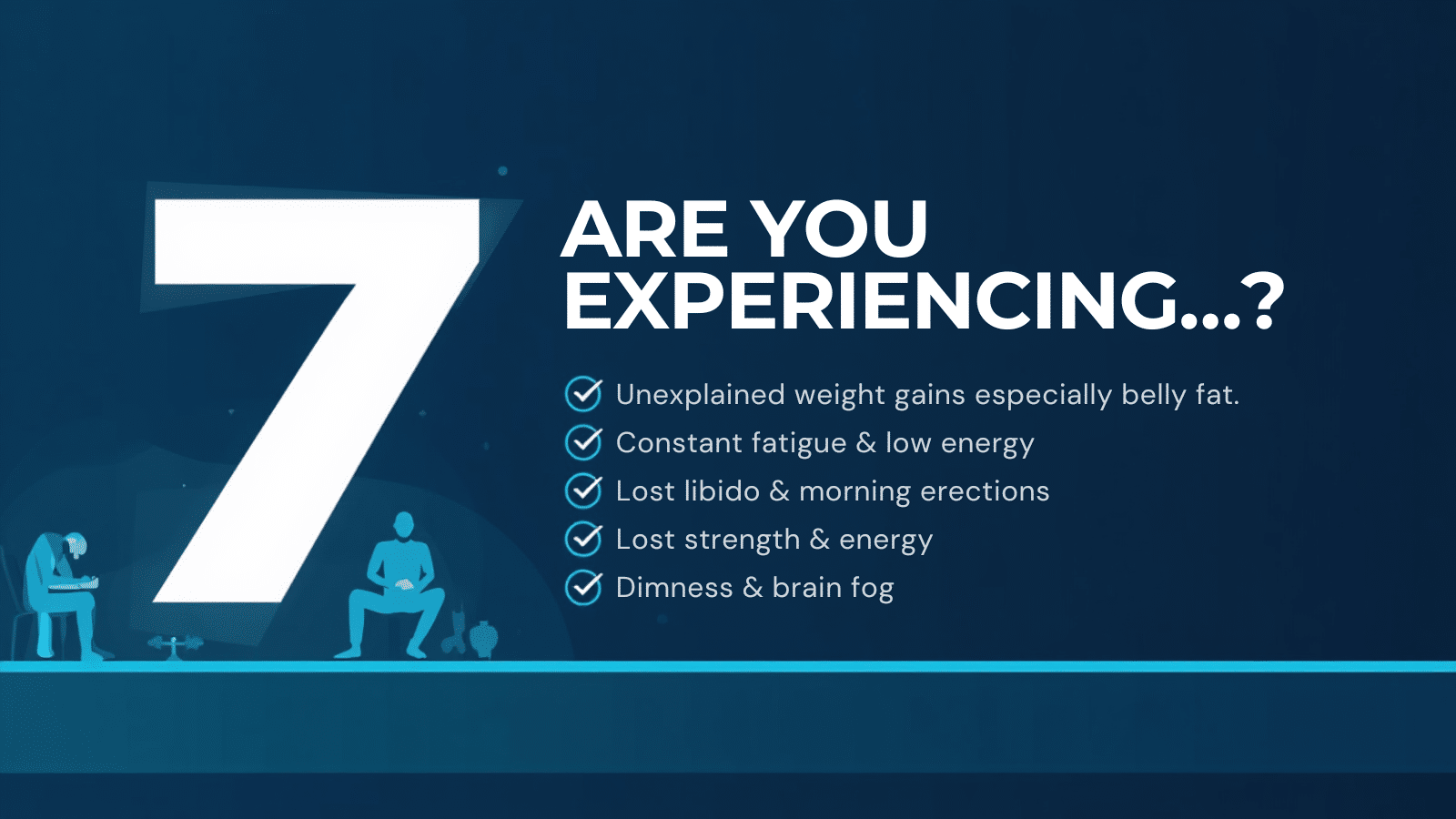
Low T affects millions of men over 35, often dismissed as "just aging." Key symptoms backed by medical sources like Mayo Clinic and Cleveland Clinic include:
- Persistent fatigue and low energy, even with good sleep
- Increased body fat (especially belly) and difficulty building/maintaining muscle
- Reduced libido, erectile dysfunction, or lower sexual performance
- Mood changes: irritability, anxiety, depression, or brain fog
- Reduced motivation, focus issues, or thinning hair
If you're saying YES to 3+ of these, testing is the smart next move—don't guess.
What Comprehensive Testing Reveals: Beyond Just Total T
A single testosterone reading isn't enough. Gold-standard panels check:
- Total Testosterone (optimal: 700–1100 ng/dL)
- Free Testosterone (key for symptoms)
- Estradiol (E2), SHBG, LH/FSH, PSA, thyroid, lipids, and more
| Marker | Common Low T Indicator | Optimal Range (Guideline) |
|---|---|---|
| Total Testosterone | Below 300–350 ng/dL + symptoms | 700–1100 ng/dL |
| Free Testosterone | Low despite normal total | 15–25 pg/mL |
| Estradiol (E2) | Imbalanced (too high/low) | 20–30 pg/mL |
| PSA | Monitor for prostate health | Age-appropriate |
Proven Benefits of TRT When Done Right
For confirmed low T, TRT can transform:
- Improved energy, mood, and focus
- Better body composition: more muscle, less fat
- Enhanced libido and sexual function
- Stronger bones and heart health support
With protocols including hCG (fertility preservation) and E2 control, side effects are minimized.
Not a Candidate? Optimized Alternatives Available
If levels are borderline or other issues dominate, options include thyroid optimization, peptides, weight loss meds (tirzepatide), or lifestyle protocols.
Your Next Step: Get Tested and Know Your Options
In 2025, TRT is safer and more accessible than ever for the right candidates—start with accurate testing and expert guidance.
Ready to check your levels and reclaim peak performance? Our concierge clinic offers comprehensive panels, virtual consults, discreet shipping, and personalized protocols.