Low Vitamin D: A Predictor of Testosterone Deficiency – But Supplementation May Not Be Enough
The Strong Association: Low Vitamin D Predicts Testosterone Deficiency
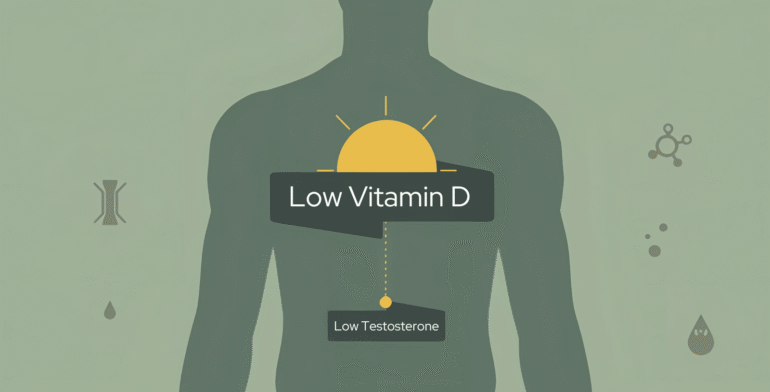
Low serum vitamin D (typically <20-30 ng/mL) is consistently linked to lower total and free testosterone in men. This relationship holds across diverse populations, including healthy adults, older men, and those with chronic conditions. A systematic review of studies from 2013-2023 found that vitamin D deficiency correlates with reduced testosterone, with genetic analyses suggesting a potential causal role. Source: PMC Systematic Review (2023) Meta-analyses confirm a positive association between 25(OH)D and total testosterone, though modest and heterogeneous. Source: Endocrine Meta-Analysis (2020) In men with obesity or frailty, the link is particularly pronounced, with low vitamin D independently predicting lower testosterone even after adjusting for confounders like BMI and age. Source: Frontiers in Endocrinology (2022) Mendelian randomization studies support causality: genetically lower vitamin D levels associate with reduced testosterone. Source: PubMed MR Analysis (2019) This positions low vitamin D as a useful biomarker and predictor for testosterone deficiency, especially in at-risk groups.
Does Raising Vitamin D Levels Fix Testosterone Deficiency?
While the association is robust, supplementation results are mixed and often underwhelming.Positive evidence includes a key RCT where overweight men with deficiency receiving ~3,332 IU daily for 1 year saw significant rises in total, free, and bioactive testosterone. Source: PubMed RCT (2011) A recent 2024 meta-analysis of 17 RCTs found vitamin D supplementation significantly increased total testosterone (especially >4,000 IU/day and >12 weeks duration), with stronger effects in older adults. Source: MDPI Meta-Analysis (2024) However, many studies show no meaningful effect:RCTs in healthy men with normal or low-normal testosterone found no increase after supplementation.
Reviews conclude insufficient evidence for vitamin D as a reliable testosterone booster, with most trials failing to show significant changes.
Source: Clinical Therapeutics Review (2020)
In men with low testosterone at baseline, supplementation often had no effect on TT levels.
Systematic reviews highlight that while observational data support the link, interventional evidence is inconclusive, with limited or no consistent impact on testosterone.
Source: Cureus Systematic Review (2023)
Why Supplementation Doesn't Always Deliver
Inconsistencies arise from:Baseline status: Benefits are more likely in severely deficient, overweight, or older men; negligible in those with sufficient vitamin D or normal testosterone.
Dose and duration: Higher doses (>4,000 IU) and longer periods (>12 weeks) show better results in some meta-analyses.
Other factors: Obesity, inflammation, or comorbidities may blunt effects; free testosterone and downstream hormones (LH/FSH) often unchanged.
Overall: Supplementation corrects deficiency but rarely provides "enough" boost to meaningfully resolve clinical testosterone deficiency.
Practical Recommendations
Test both vitamin D and testosterone levels if symptoms of deficiency exist (fatigue, low libido, muscle loss). Address low vitamin D via sunlight, diet, or supplements under medical guidance—safe and beneficial for overall health. For testosterone deficiency, consider comprehensive approaches: lifestyle (exercise, weight loss), and consult a specialist for potential TRT or other interventions if needed.
Important Safety Information
Vitamin D is generally safe but excessive intake can cause hypercalcemia. Always consult a healthcare provider before starting supplements, especially with kidney issues or medications. This article is informational only—not medical advice.
Questions?
Text: (239) 533-9941
Email: info@increasemyt.com